Step-by-Step Guide to Building Split Rail Fence Structures
Release time:2026-02-18 Click:12
The process of building split rail fence is a rewarding DIY project that combines carpentry skills with heavy labor, resulting in a rustic, functional boundary that enhances any rural or suburban property. Unlike solid fences, this style relies on a post-and-rail system where wooden rails are slotted into notched posts, creating a zigzag pattern. The most common configuration uses three rails for livestock or two for decorative garden boundaries. The success of the project hinges on proper planning: selecting the right wood species (cedar, locust, or pressure-treated pine), calculating the correct post spacing (usually 8 to 10 feet), and ensuring the posts are set deep enough to withstand wind and animal pressure. The open design allows for airflow and visibility, making it ideal for pastures, large yards, or slope stabilization projects.
The first step in building split rail fence is laying out the perimeter and setting the posts. This requires a post-hole digger or an auger for efficiency. The holes should be at least 24 to 30 inches deep for standard fences, or deeper in regions with frost heave. Once the holes are dug, the posts are set. For maximum durability, the posts should be set in concrete, especially for end posts and corner posts that bear the most tension. However, for temporary or low-budget fences, the posts can be driven into the ground using a post driver. The rails are then cut to length—typically 8 to 10 feet—and notched or left smooth, depending on whether they will be fastened with nails or simply slotted into the post grooves. A critical detail is ensuring the top of all posts is level; a uneven fence looks unprofessional and can cause rails to slide off.
Installation of the rails is where the technique comes into play. For a 3-rail fence, the bottom rail is placed first, usually a few inches off the ground to prevent rot. The middle and top rails follow, sliding into the notches. Because wood expands and contracts with humidity, the rails should not be driven too tightly; a slight gap allows for movement without popping out. For building split rail fence on a slope, the "racking" method is used: the rails are bent slightly at each post to follow the ground's contour while maintaining a consistent height. This prevents the fence from looking stepped or jagged. Gates are a complex component; they require a sturdy frame and heavy-duty hinges to support the weight of the rails. A self-latching mechanism is essential for security, ensuring the gate closes automatically after use.
Maintenance is the long-term consideration for any wooden structure. When building split rail fence, choosing rot-resistant wood like cedar or black locust can extend the lifespan to 20 years. These woods contain natural oils that repel insects and moisture. For other woods, applying a high-quality wood preservative or stain immediately after installation is crucial. The fence should be inspected annually for loose rails, cracked posts, or signs of insect damage. Because the design is simple, repairs are straightforward: a rotted post can be pulled out and replaced, or a broken rail can be swapped out without dismantling the whole fence. This modularity makes it a cost-effective solution for large properties where replacing a solid board fence would be prohibitively expensive.
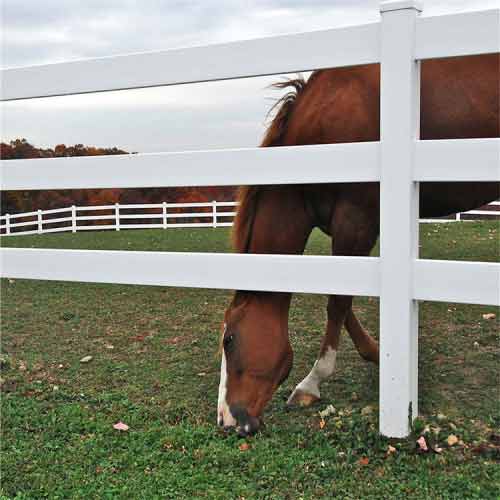
Finally, the aesthetic and functional payoff of building split rail fence is immense. It defines property lines without blocking views, making a space feel open yet secure. For horse owners, it prevents animals from putting a foot through the fence (a risk with woven wire) and provides a safe, visible boundary. The natural wood texture blends seamlessly with gardens and forests, softening the hard lines of a driveway or pasture. It is a traditional construction method that has been used for centuries, yet it fits perfectly into modern "farmhouse" or rustic-chic design schemes. By undertaking this project, a homeowner not only saves money on labor but also gains a sense of pride in creating a durable, handcrafted structure that will serve the family for generations.
Previous article:Shape Outdoor Beauty with Landscape Fencing
Next article:Residential Split Rail Fence – Classic Country Charm for Suburban Homes
Hot products
Mobile: +86 15097722953
Email:metalproducts2021@163.com
Email:1755383270@qq.com