Weather Resistant Orchards Split Rail Fence Lasts Through Seasons of Harvest
Release time:2026-02-20 Click:17
Weather resistant orchards split rail fence provides essential perimeter protection for agricultural operations, combining the rustic aesthetic of traditional rail fencing with modern durability that withstands the demanding conditions of fruit growing environments. Orchard fencing must contain diverse challenges including equipment traffic, seasonal activities, and the biological threats that affect organic materials in outdoor agricultural applications. Weather resistant split rail systems address these requirements through material treatments and design features that enable reliable performance through the cycles of planting, growing, harvesting, and dormancy that define orchard operations year after year.
The agricultural environment creates specific challenges for fence durability that weather resistant treatments and designs must address to achieve reliable service life. Equipment traffic during planting, spraying, and harvest operations subjects fence lines to impacts from tractors, sprayers, and harvest equipment that can damage less robust constructions. Organic materials in untreated wood are susceptible to rot, insect damage, and fungal decay that accelerate in the moist conditions common in irrigated orchards. The temperature extremes that many fruit-growing regions experience create expansion and contraction stresses that can loosen connections and distort fence lines over time. Weather resistant split rail fencing addresses each of these challenges through appropriate material selection and engineering design.
Material treatments enabling weather resistant orchard split rail performance include pressure treatment with agricultural-grade preservatives, natural decay-resistant wood species selection, and synthetic alternatives that eliminate biological vulnerability. Pressure-treated rails and posts resist decay and insect damage for fifteen to twenty years in typical orchard applications, substantially exceeding the service life of untreated wood in similar conditions. Cedar and locust posts provide natural decay resistance that eliminates chemical treatment requirements for those seeking organic or natural material options. Vinyl and composite rail alternatives provide completely rot-proof construction that withstands orchard conditions indefinitely, though at higher initial cost than treated wood. These material options enable orchard operators to select approaches appropriate to their priorities, budgets, and organic certification requirements.
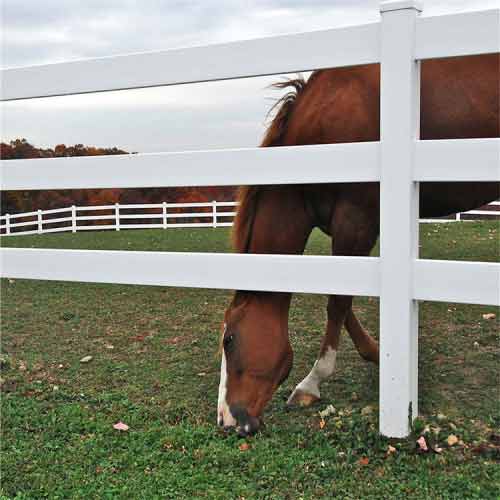
Installation considerations for orchard split rail fencing reflect the agricultural context, with configurations optimized for equipment access, row alignment, and long-term durability in farming environments. Post spacing for orchard fencing typically exceeds residential applications to accommodate equipment turning radii and minimize the number of posts that equipment operators must navigate. Rail configurations balance traditional appearance against structural requirements, with two-rail and three-rail options serving different aesthetic preferences and livestock containment needs. Foundation requirements recognize that orchard soils may be periodically saturated by irrigation or rainfall, requiring post settings adequate to maintain stability through moisture cycles. These installation considerations ensure that weather resistant investments perform reliably throughout agricultural operations.
The economic proposition of weather resistant orchard split rail fencing reflects the extended service life and reduced maintenance requirements that justify premium material investments for commercial agricultural operations. Budget fencing requiring frequent repair and replacement generates hidden costs including labor for maintenance activities, production disruptions during repair periods, and eventual replacement expenses that exceed quality material premiums. Weather resistant fencing eliminates or substantially reduces these ongoing costs while providing reliable perimeter protection that prevents crop losses to wildlife intrusion. For orchard operators managing substantial acreage, these savings accumulate to significant annual figures that make quality fencing investments economically compelling regardless of initial cost considerations.
Previous article:Residential Split Rail Fence – Classic Country Charm for Suburban Homes
Next article:Natural Finish Woodland Paths Split Rail Fence for Organic Look
Hot products
Mobile: +86 15097722953
Email:metalproducts2021@163.com
Email:1755383270@qq.com