Product details description
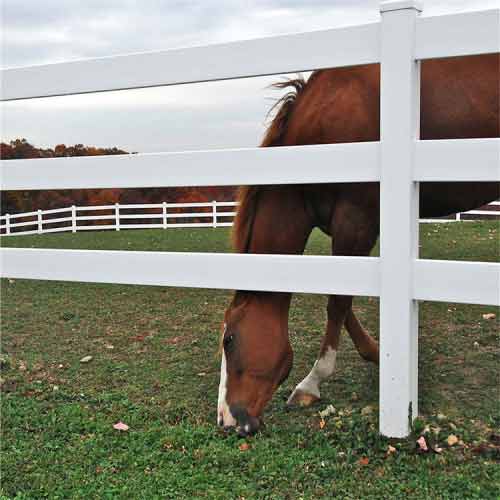
The split rail fence, once synonymous with rural frontiers, has evolved
into a design staple that bridges tradition and modernity. Modern iterations
retain the iconic horizontal log rails but reinterpret them through contemporary
materials, finishes, and configurations, creating fences that honor heritage
while complementing sleek, 21st-century landscapes.
Material innovation leads the transformation. Traditional split rail fences
relied on cedar or locust logs, but modern versions embrace engineered wood
(e.g., laminated veneer lumber) for consistency and sustainability, or composite
materials that mimic wood’s texture without maintenance. Metal
accents—powder-coated steel or aluminum—add a industrial edge, with thin, sleek
rails replacing chunky logs in some designs. Even recycled plastics are shaped
into log-like profiles, offering eco-friendly durability. These materials expand
design possibilities while addressing traditional wood’s susceptibility to rot
and pests.
Contemporary aesthetics prioritize clean lines and minimalism. Instead of
irregular, hand-hewn logs, modern rails are precision-cut to uniform widths and
lengths, creating a geometric rhythm that aligns with modern architecture.
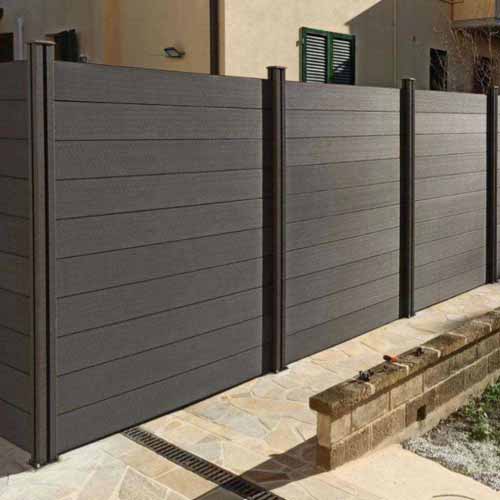
Finishes range from matte black or charcoal gray (echoing urban palettes) to
warm walnut stains (bridging rustic and modern). Some designs incorporate
negative space strategically: wider gaps between rails or alternating short/long
rails add visual interest without clutter, making the fence feel light and
airy.
Integration with modern landscapes is key. Curved sections soften rigid
property lines, following garden beds or pathways to create organic flow.
Low-profile designs (3–4 feet tall) suit urban courtyards, where they define
spaces without overwhelming small areas. In suburban settings, taller versions
(5–6 feet) pair with glass or metal gates, blending rustic charm with
contemporary elegance. Lighting elements—embedded LED strips along rails or
solar-powered post caps—enhance ambiance, turning the fence into a nighttime
design feature.
Functionality adapts to modern needs. While traditional split rail fences
were primarily decorative or for livestock, modern versions may include subtle
privacy features: slats inserted between rails or lattice panels at the top.
Security is addressed with reinforced posts or hidden fasteners, maintaining the
fence’s open look while deterring intrusion. Eco-conscious designs use
sustainably sourced materials and promote biodiversity—leaving gaps for small
animals to pass, or planting native vines to climb the rails.
Blending tradition with modernity, modern split rail fences prove that
heritage need not be static. They are living tributes to craftsmanship,
reimagined for a world that values both history and innovation, creating
boundaries that tell a story while enhancing the beauty of contemporary
living.
Previous article:
Split Rail Fence vs. Wire Mesh Fence
Next article:
Agricultural Applications of Split Rail Fences